Showing posts with label Grade 1 Math. Show all posts

Telling Time by Half-Hour and Quarter-Hour

K  to 12 Mathematics 
Philippine Basic  Education

Content: Measurement

Content Standards: The learner demonstrates understanding of the concepts of time and measures and compares objects using direct comparison and non-standard units of length, mass and capacity.

Performance Standards: The learner is able to give different measures of time.

Learning Competencies: The learner  tells the time by an hour, half-hour and quarter-hour.


What time do you go to bed? 

Lina goes to bed at this time: 


Can you tell what time she goes to bed at night? 

Telling Time by an Hour

K  to 12 Mathematics 
Philippine Basic  Education

Content: Measurement

Content Standards: The learner demonstrates understanding of the concepts of time and measures and compares objects using direct comparison and non-standard units of length, mass and capacity.

Performance Standards: The learner is able to give different measures of time.

Learning Competencies: The learner tells the time by an hour.


Joana is six years old. She loves to go to the park every weekend. One Saturday, she woke up very early. She got dressed and went to her mother. "Ma, let's go to the park now." Her mother looks at the clock and it showed:


Recognizing Patterns and Some Exercises


     Identifying patterns is one of the things that young children need to learn.

     Every child can develop this skills by constant practice and exploration of patterns that can be found everywhere.

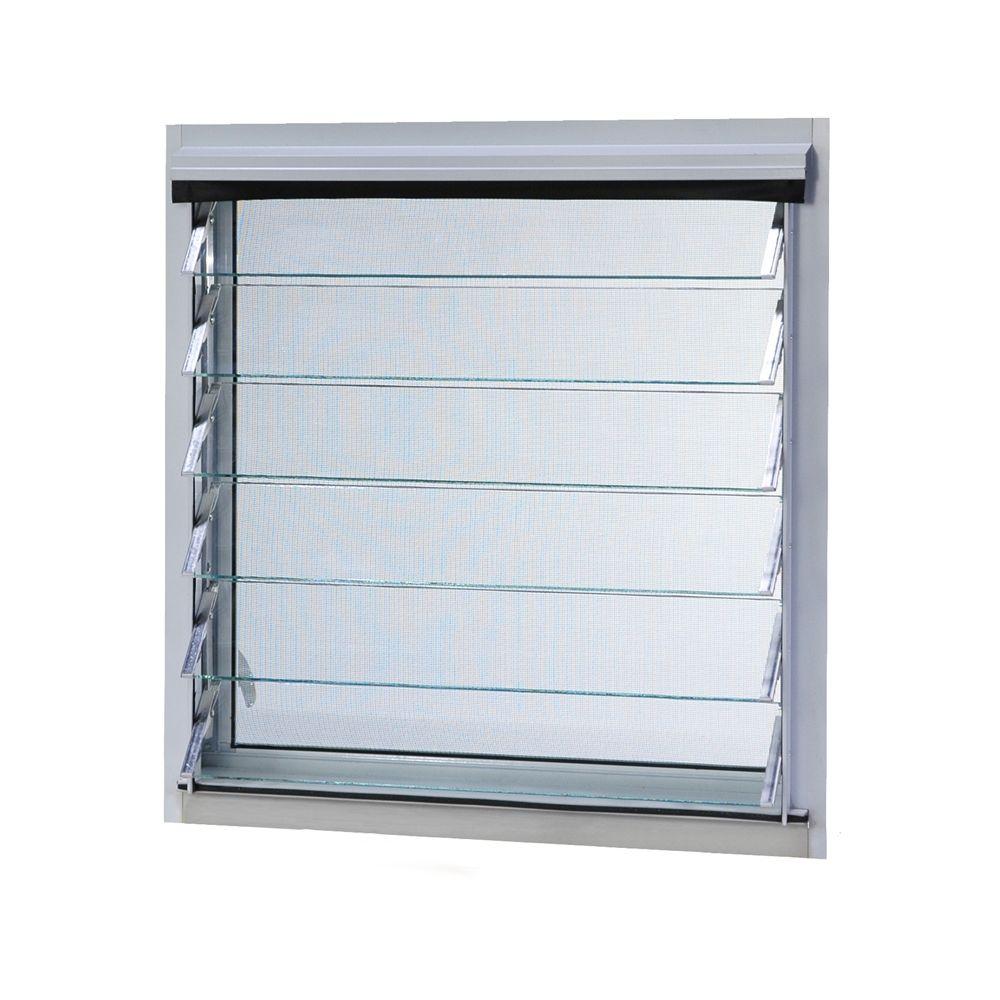
     At home, the window panes in a window frame are arranged in a repeated way as shown in the picture.


                                                              Source: Home Depot

     In school, the iron rails make a pattern.


     The government building has repeating columns that makes a pattern.


                                                              Source: Shankaronline
     Patterns are everywhere.

     To know which one is next in a pattern, the child needs to observe the repeating things. How are things being repeated?

     For example, the shapes are arranged in this manner: heart, diamond, heart, diamond.


     What is next?

     The next is heart.

   
Some exercises that children can do to practice their skill in identifying the next things in a pattern.


II.  Write the next three numbers in the pattern.

1.    1  8  1  8  1  8  1  8 ____________
2.    0  1  0  1  0  1  0  1  0  1 ____________
3.    6  7  6  7  6  7  6  7 ____________
4.    1  2  3  1  2  3  1  2   3 ____________
5.    3   6   9   3   6   9  3  6  9  ____________

Free Worksheet!  Identifying the Next Objects or Numbers in a Pattern

Comparing Dissimilar Fractions with Similar Numerators

     In comparing fractions with similar numerators, we take notice of their denominators. The smaller the denominator, the bigger the value. 


Look at the fractions below. 


1/2 is bigger than 1/3.

How about these fractions? Which is bigger? Write >, < or = in the blank. 

1. 1/2 _____ 1/4

2. 1/7 _____ 1/3

3. 1/5 _____ 1/5

4. 1/9 _____ 1/6

5. 1/5 _____ 1/2

6. 1/2 _____ 1/4

7. 1/3 _____ 1/3

8. 1/6 _____ 1/4

9. 1/3 _____ 1/9

10.1/8_____ 1/7

More Exercises:

I. Encircle the bigger fraction. 

1.   1/6         1/2


2.   1/9         1/4


3.   1/3         1/5


4.   1/8         1/7


5.   1/4         1/2


II. Box the smaller fraction

1.   1/7         1/4

2.   1/8         1/9

3.   1/2         1/6

4.   1/5         1/3

5.   1/3          1/6

Write a fraction in a blank that makes the comparison true. 

1. 1/2 > ______

2. 1/8 > ______

3. 1/4 < ______

4. 1/6 > ______

5. 1/3 < ______